

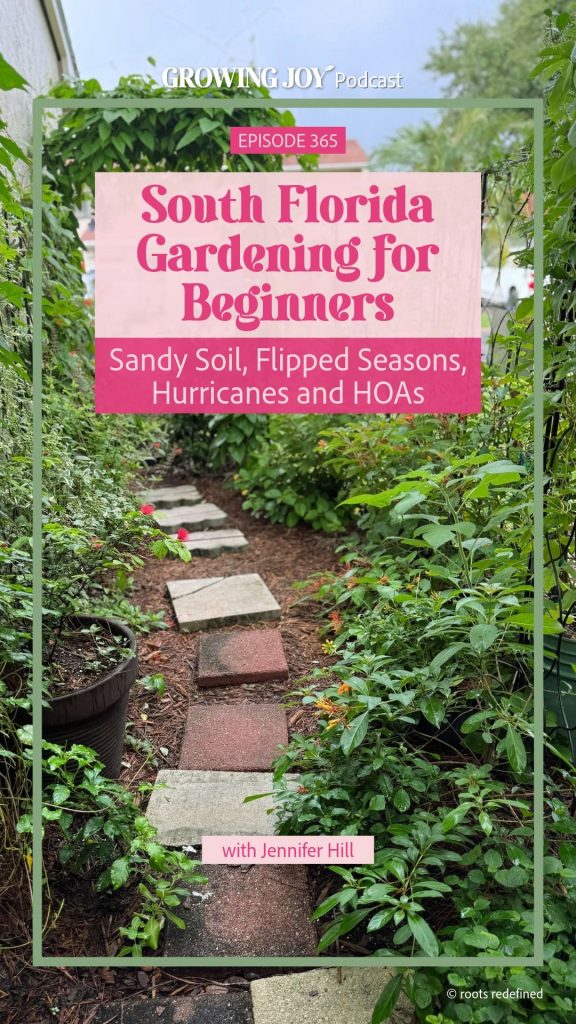
South Florida Gardening for Beginners: Sandy Soil, Flipped Seasons, Hurricanes and HOAs
Don't forget to subscribe to the podcast,
I spent years growing tomatoes in upstate New York, then bought a house in South Florida, where my neighbors’ pothos climbs actual trees and my backyard looks like a beach.
To kick off my South Florida Gardening for Beginners miniseries, I brought in Jennifer Hill, host of The Florida Gardener podcast and founder of Roots Redefined. She’s my local plant friend, the one I text with every gardening question, and the one who finally told me to break up with my hydrangeas.
She also shares the trellis trick that keeps her HOA off her back and a couple of container recipes for full sun and shade. Let's dive in!
In this episode, we learn:
- [02:11] Why I’m a beginner again: my South Florida Gardening for Beginners miniseries
- [03:51] Subscribe to my Growing Joy Weekly newsletter!
- [05:20] Meet Jennifer Hill!
- [06:38] How Jennifer and I met (she listened to my podcast!)
- [09:39] What Roots Redefined does? (commercial container gardens and ongoing care)
- [12:14] How a new backyard brought back my love for gardening
- [13:36] What makes Zone 10 (like South Florida) gardening so different?
- [15:12] Give the ‘gift of citrus’ this holiday season with Via Citrus!
- [17:37] Build better soil for raised beds and cut flowers with Espoma Organic!
- [19:49] When your houseplants become landscape plants in South Florida…?
- [22:35] What to know about South Florida temperatures and planting seasons
- [24:31] How does humidity affect pests?
- [26:57] How to garden in sandy soil like Florida?
- [28:18] Where to grow cut flowers and vegetables
- [30:07] What to know about irrigation if you're growing ornamentals and annuals
- [31:00] Mulch vs. pebbles: what’s actually worth it?
- [33:22] How to prepare your containers and garden for hurricanes
- [36:31] How to garden creatively within HOA rules
- [39:23] What are some easy full sun container recipes for South Florida?
- [43:07] Shade container recipes, and which flowering plants can handle lower light
- [46:14] What’s next in the South Florida gardening miniseries?
- [47:08] Where to find Jennifer, The Florida Gardener Podcast, and Roots Redefined!
Order my book!
Growing Joy: The Plant Lover's Guide to Cultivating Happiness (and Plants) by Maria Failla, Illustrated by Samantha Leung
Zone 10 Gardening in Florida
South Florida sits mostly in zones 9B, 10A, and 10B. It’s subtropical, warm almost year-round, and different even from North Florida.
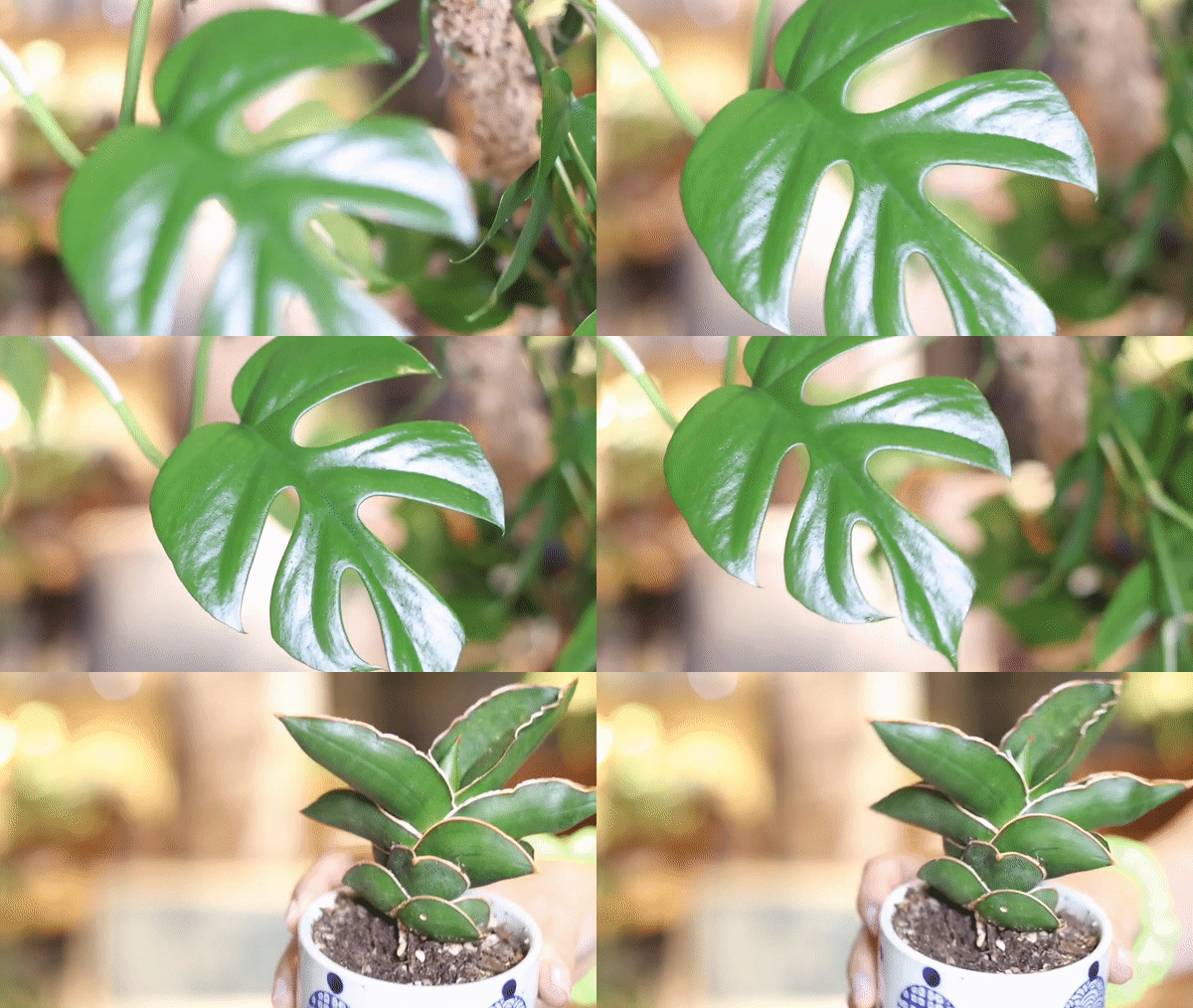
The houseplants I babied in New York like the snake plants, monsteras, pothos grow in the landscape here, and it feels like living in the upside down.
Jennifer says that there’s a plant for every space! The technique is embracing what wants to grow here.
That also means breaking up with Northeast favorites like hydrangeas and roses. Can you grow them? Maybe. But plants will humble you.
When to Plant in South Florida: Flipped Seasons and Humidity
In New York, I planted tomatoes in May. Here, I plant them from September through November and harvest until May.
Most traditional edible annuals are fall and winter crops in South Florida and summers are brutal for you and your plants.
Humidity also brings pests, especially from July through September. Jennifer manages her suburban small space wildlife garden with plant variety, vigorous growers, and patience. She once watched aphids cover an entire Confederate jasmine vine… and let nature sort it out.
Note: Make a quick plant check part of your morning. Plants tell you what’s wrong before it turns into a full-blown infestation.
And skip invasive Brazilian pepper!
Gardening in Sandy Soil: Raised Beds, Watering and Mulch
My backyard looks like a beach because it’s gray sand with almost no nutrients.
For in-ground landscaping, Jennifer rarely amends. She embraces the sand and chooses plants that already survive in it.
But for cut flowers and edibles, she builds a large raised bed, fills it with good potting soil, and avoids small clay pots that bake in the heat.
Easy ways to keep moisture in:
- Drip irrigation
- Self-watering containers
- Larger pots
- Mulch
Jennifer is a big fan of mulch! It holds moisture, suppresses weeds, and slowly feeds your plants. She avoids dyed mulch when possible and mixes eucalyptus mulch with pine straw or pine bark at home.
Pebbles are beautiful, but it’s a commitment. She’s still finding lava rock in her yard from decades ago.
How to Protect Your Plants From Hurricanes
At home, Jennifer’s hurricane strategy is a little ‘Jesus, take the wheel.’ But a few simple steps go a long way:
- Move light pots indoors
- Choose heavy containers
- Weight pots with rocks
- Trim large trees
Book an arborist before storm season, not the week a hurricane shows up on the forecast.
Plant choice matters too. Plenty of wind-tolerant plants come through storms just fine so pass on the ‘garden candy’ at big box stores, like hydrangeas that were never going to make it here.
HOA-Friendly Landscaping in Florida
Florida is the land of HOAs, I just realized. Jennifer’s advice is to talk to your board, share your goals, and find the middle ground.
Her favorite workaround is her trellis gardens. She swapped out the standard shrubs for a row of seven-foot trellises, added an arbor entrance, and planted climbing vines.
From the street, it looks polished. But inside, she plants whatever she wants.
Easy South Florida Container Garden Ideas
If you’re new to containers, start with the rule of three and the thriller, filler, spiller method. The thriller is the showstopper, the filler surrounds it, and the spiller trails over the edge.
Full Sun Container
- Ornamental grass or iris
- Pink pentas
- Ornamental sweet potato vine
Low-Maintenance Container
- White bird of paradise
- Croton ‘Magnificent’
- Asparagus fern
- Bromeliad
Shade Container
- Peace lily
- Silver aglaonema
- Bromeliad
- Neon pothos
If you want flowers in the shade, try these:
- Crossandra
- Mona lavender
- Bleeding heart vine
Note: If you’re not getting many blooms, your spot probably needs a little more sun.
Start Your South Florida Garden
I’m starting with a completely blank backyard with raised veggie beds, a cut flower garden, and a native garden. And I’m so excited to finally grow with this landscape instead of against it!
For more South Florida gardening advice, listen to The Florida Gardener Podcast or visit Roots Redefined to find Jennifer’s podcast, newsletter, and container gardening services.
Mentioned in our conversation:
- Crescent Garden Raised Garden Beds
- Growing Joy Episodes:
Thank you to our episode sponsors:
Via Citrus
Give the gift of citrus! Via Citrus grows beautiful, fruit-bearing citrus trees that thrive in containers, so you can keep them indoors during the colder months and move them outside when it warms up. Choose from Meyer lemons, key limes, calamondins, kumquats, yuzu, and more. Their holiday gifting bundle includes a citrus plant, a planter, and fertilizer, so whoever you’re gifting is set up for success. Plus, those fragrant citrus blooms will fill your whole home.
Shop citrus trees and holiday gifts at viacitrus.com with code GROWINGJOY for 10% off.
Espoma Organic
As we approach fall, remember to feed your plants and refresh their potting mixes! Espoma Organic is dedicated to making safe indoor and outdoor gardening products for people, pets, and the planet. They have an amazing variety of high-quality, organic potting mixes, garden soil, fertilizers, and pest control products that are organic and eco-friendly. To top it all off, they have a huge sustainability commitment with a 100% solar-powered plant, zero-waste manufacturing, and eco-friendly packaging.
Visit espoma.com to find your local Espoma dealer or check my Amazon storefront.
Follow Jennifer:
Roots Redefined
The Florida Gardener Podcast
Instagram
Facebook
YouTube
TikTok
Follow Maria and Growing Joy:
Order my book: Growing Joy: The Plant Lover's Guide to Cultivating Happiness (and Plants) by Maria Failla, Illustrated by Samantha Leung
Take the Plant Parent Personality Quiz (Get the perfect plants, projects and educational resources for YOUR Lifestyle)
Support Growing Joy with Maria by becoming a Plant Friend on Patreon!
Instagram: @growingjoywithmaria
Tiktok: @growingjoywithmaria
Subscribe to the Growing Joy YouTube channel! /growingjoywithmaria
Website: www.growingjoywithmaria.com
Pinterest: @growingjoywithmaria

Leave a Reply