
Nature as Medicine: What 2,200 Studies Taught Dr. John La Puma About Getting Outside, Ep 361

Don't forget to subscribe to the podcast,
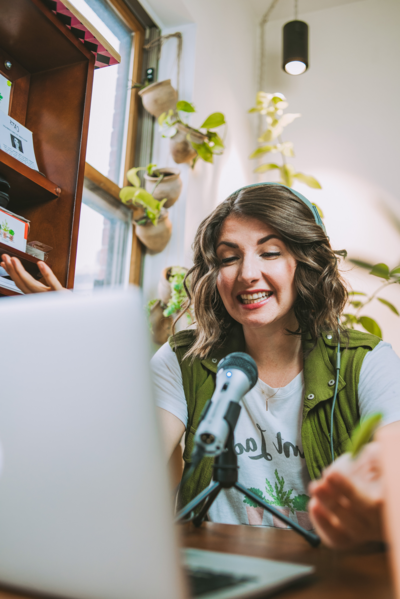
You probably spend most of your day inside. Most of us do… about 93% of our time, actually. Not to mention you’re definitely on your phone all the time. This is a health risk! To explain how harmful this habit is, I invited my dear friend Dr. John La Puma to explain what these habits might be doing to our brain and heart. He was on the show before, where we talked about culinary medicine and gardening! John is a board-certified internist, a trained chef, and he runs an organic regenerative farm in Santa Barbara. He also read 2,200 studies to understand why being outside feels so good. What he found became his book, Indoor Epidemic, which became the focus of our conversation, and how we are so starving for nature. Listen in!
In this episode, we learn:
- [02:31] Sign up for my Growing Joy newsletter on Substack!
- [03:10] Welcome back, Dr. John La Puma!
- [04:50] How a doctor and chef became a nature as medicine expert
- [06:46] Why does nature feel good?
- [07:38] Buying an abandoned plant nursery and reading 2,200 studies
- [09:19] How his work shifted from ecotherapy to the indoor epidemic
- [11:21] How blue light at night affects your heart health (and what to use instead)
- [14:31] What is the indoor epidemic?
- [16:20] Get a daily dose of antioxidants and immune support with Manukora Honey!
- [18:09] How hinoki oil and forest bathing help improve immunity and blood pressure
- [21:14] Why 17 minutes outside a day is all you need (optimizing the 7%)
- [23:04] Light first, coffee second…?
- [26:38] Why sunglasses and windows block morning light
- [28:12] Why burnout is really digital overload
- [29:07] What is a zeitgeber?
- [30:15] How CO2 buildup indoors affects your brain
- [31:50] How awe and sunsets calm the vagus nerve
- [34:40] Attention restoration theory (why nature rests your brain)
- [36:24] Why you need to put your phone down outside
- [38:26] Plant blindness and how to find nature in the city
- [40:37] How does gardening help improve mental health and dementia?
- [43:28] Can light therapy help with seasonal depression? (10,000 lux study vs. Prozac)
- [46:30] John’s number one morning routine protocol!
- [49:14] How to get kids off screens and outside
- [50:55] Where to find John, Indoor Epidemic, the free toolkit, and the Nature Number quiz!
Order my book!
Growing Joy: The Plant Lover's Guide to Cultivating Happiness (and Plants) by Maria Failla, Illustrated by Samantha Leung
What Is the Indoor Epidemic?
Studies show that we spend almost all our time inside, and our body reads that as confinement.
Inside four walls, we miss the signals our biology depends on:
- Bright light
- Movement outdoors
- Distance vision
- Plant compounds
So we end up wired at midnight, burned out by 2 p.m., and wide awake at 3 a.m.
Note: Working indoors isn’t the problem. The problem is doing it nearly all the time.
How Much Time in Nature Do You Need?
John says he wants us to make the most of the 7% of time we already spend outside.
Most of us get about an hour outdoors each day anyway. But that's incidental time, like walking to the car, and it doesn't do much for our bodies.
What does work is 17 intentional minutes a day. John calls it the minimum effective dose.
Ideally, you spend those minutes in green or blue spaces, like a park, a garden, or the beach.
Morning Sunlight Benefits: Light First, Coffee Second
If you only do one thing, make it this. Get outside in the morning.
Try to do it within the first hour of waking, or at least before 10 a.m. That’s when your eyes are most sensitive to light, and that light sets your body clock for the whole day.
A few rules make it work:
- No sunglasses
- No window
- No phone
And no, you can’t argue to just “open the blinds” because indoor light is much dimmer than it feels.
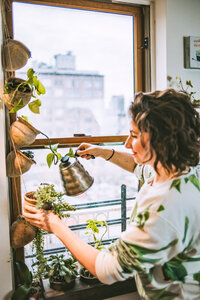
Even a cloudy day is many times brighter than a well-lit room. (Plant parents already know this one because it’s the same reason your houseplants want grow lights.)
John’s easy way to remember it is light first, coffee second. Or daylight before screen time.
And that morning light pays off at night. It helps you get deeper sleep, which is when your body repairs muscle, rebuilds bone, and clears waste out of your brain.
Why Bright Light at Night Hurts Your Heart
Bright light in the middle of the night tells your body it’s morning, and that messes with your sleep.
In one large study, people with the most bright light at night had a much higher risk of heart attack and stroke.
John said to opt for an amber night light in the bathroom. Amber and red light don’t block melatonin, the hormone that helps you sleep.
Also, put your phone down an hour before bed because screen light can block most of your melatonin.
Note: Try a Kindle Paperwhite, a journal, or a cup of tea instead of scrolling.
Forest Bathing Benefits
I’m a little obsessed with hinoki oil (basically oil extracted from wood, twigs, etc.), and I put it in my shower every morning.
Trees give off natural compounds called phytoncides, and when we breathe them in, they help our immune system.
In research by Dr. Qing Li in Japan, forest time boosted natural killer cells, which fight illness.
Plus, forest time lowers blood pressure.
Some of the best trees for this:
- Pine
- Cedar
- Cypress
Awe, Soft Fascination, and Burnout
On a recent beach walk, I followed tiny tracks in the sand all the way to a little hermit crab. It made my whole morning.
That feeling is awe. And according to John, awe turns on your vagus nerve, which works like a brake on stress. On top of that, leaves and clouds offer soft fascination.
Scrolling takes hard focus, but nature lets your attention rest. So John says burnout is mostly digital saturation.
Dirt Is Part of the Dose: Gardening and Winter Blues
John thinks everyone should get their hands in soil once a week, and I totally agree. In fact, one UK study found long-term gardeners had 37% less dementia.
And for winter, I remember when we lived in New York, my husband sat by my lettuce grow light to fight his seasonal depression.
There’s, in fact, a study that said 10,000 lux light therapy lamp for 30 minutes each morning helped someone feel better than taking Prozac alone.
Note: If you take an antidepressant, don’t stop. Talk to your doctor first!
Start With Your 7%
Tomorrow morning, step outside for at least 10 minutes without sunglasses or a phone. Just look at the sky.
Find your number, get outside, and keep growing joy.
Mentioned in our conversation:
- Indoor Epidemic by Dr. John La Puma
- Dr. John on The Oprah Winfrey Show
- Growing Joy 131: Culinary Medicine from Our Gardens with Dr John la Puma
Thank you to our episode sponsor:
Manukora
Have you ever had honey that's creamy, rich, and also supports your iummune system? Manukora honey comes from the nectar of Manuka tea trees, which are native to New Zealand, and is ethically harvested and packed with powerful nutrients. It contains triple the antioxidants and prebiotics of regular honey, supporting immunity and gut health. Versatile and delicious, it can be used in coffee, smoothies, smoothie bowls, or enjoyed straight from the spoon for an energy boost.
Go to manukora.com/bloom to get up to 31% off the starter kit that includes their 850+ Manukora honey jar, 5 honey travel sticks, a wooden spoon, a guidebook, and an onboarding call with Manukora's clinical specialist, PLUS $75 worth of free gifts!
Follow John:
Website
Blog
Books
Facebook
Instagram
YouTube
TikTok
Follow Maria and Growing Joy:
Order my book: Growing Joy: The Plant Lover's Guide to Cultivating Happiness (and Plants) by Maria Failla, Illustrated by Samantha Leung
Take the Plant Parent Personality Quiz (Get the perfect plants, projects and educational resources for YOUR Lifestyle)
Support Growing Joy with Maria by becoming a Plant Friend on Patreon!
Instagram: @growingjoywithmaria
Tiktok: @growingjoywithmaria
Subscribe to the Growing Joy YouTube channel! /growingjoywithmaria
Website: www.growingjoywithmaria.com
Pinterest: @growingjoywithmaria

Leave a Reply